If your heels have become dry, rough, or cracked, you are not alone. This is a very common problem, and many people face it at some point.
At first, it may just feel like dry skin. But slowly, the skin becomes harder, thicker, and then small cracks start to appear. If you ignore it, those cracks can become deeper and even painful. Sometimes, it can hurt while walking or standing for a long time.
In daily life, we often do not pay much attention to foot care. Walking in open footwear, standing for long hours, or not moisturizing the feet properly can make the problem worse. That is why cracked heels are so common.
The good thing is that this problem can be treated easily if you take the right steps. Using the best cream for cracked heels can help repair the skin and make your heels soft again. But not every product works the same way. Choosing the right cracked heel cream and using it regularly is very important.
In this guide, I will explain everything in a simple way—why cracked heels happen, what kind of cream actually works, and how you can heal your heels faster at home.
Which is the Best Cream for Cracked Heels
Cracked heels do not happen suddenly. It is usually the result of small things that we ignore every day.
The most common reason is dry skin. When your skin loses moisture, it becomes rough and hard. Over time, this dryness leads to cracks.
Another reason is dead skin buildup. When dead skin is not removed, it starts to form a thick layer on the heels. This layer becomes hard and eventually splits.
Wearing open footwear also plays a big role. Dust and dirt settle on your feet, and without proper care, the skin becomes dry and damaged.
If you stand for long hours, your body weight puts pressure on your heels. This pressure causes the thick skin to crack more easily.
In some cases, certain health conditions like diabetes or skin problems can also make the skin drier and slower to heal.
In simple words, cracked heels happen when the skin becomes too dry, thick, and stressed. That is why proper care and the right cream are important to heal and protect your heels.
What Should the Best Cream for Cracked Heels Contain? (Ingredients That Actually Work)
When you are choosing the best cream for cracked heels, the first thing you should look at is the ingredients. A good cream should not only moisturize your skin but also help repair the cracks and remove the thick, dry layer.
One of the most important ingredients is urea. It helps soften hard skin and slowly breaks down the thick layer on your heels. This makes the skin smoother and easier to heal.
Another helpful ingredient is lactic acid. It gently removes dead skin and improves the texture of your heels over time. It also helps other ingredients work better.
You may also find salicylic acid in some creams. It is useful for very rough and thick skin, as it helps clear buildup. But it should be used in the right amount to avoid irritation.
For deep hydration, glycerin works very well. It pulls moisture into the skin and keeps it soft for longer.
Shea butter is also a great addition. It nourishes the skin and helps repair dryness, which is important for healing cracks.
The best foot cream for cracked heels usually has a mix of these ingredients. This combination helps in both softening the skin and repairing it step by step.
If your cracks are deeper, you can also consider using the best ointment for cracked heels, as it is thicker and works better for overnight repair.
Cream vs Ointment – Which Is Better for Cracked Heels?
Many people get confused between using a cream or an ointment. Both can help, but they work in slightly different ways.
A cream is lighter and gets absorbed into the skin quickly. It is best for daily use. If your heels are mildly dry or have small cracks, a cream is usually enough. It keeps the skin soft and prevents the problem from getting worse.
An ointment, on the other hand, is thicker and more heavy. It creates a protective layer on the skin and locks in moisture. This makes it more suitable for deep cracks or very dry heels.
If your heels are not too damaged, you can simply use a good cracked heel cream during the day and stay consistent with it.
But if you have deep cracks, pain, or very rough skin, using the best ointment for cracked heels at night can give better results. You can apply it before sleeping and let it work overnight.
In simple words, creams are better for regular care, while ointments are better for repair when the condition is more serious.
How to Choose the Best Foot Cream for Cracked Heels
Choosing the right cream can make a big difference in how fast your heels heal. Not every product is made for the same level of damage, so it is important to pick one based on your condition.
If your heels are slightly dry or have small cracks, go for a moisturizing cream. It will help keep the skin soft and prevent the cracks from getting worse.
If you have deeper cracks or rough, thick skin, choose a repair cream with active ingredients like urea or lactic acid. These creams work on both healing and softening the skin.
For sensitive skin, it is always better to use a fragrance-free cream. This reduces the chances of irritation and makes it safer for daily use.
You should also pay attention to how the cream feels on your skin. A good cracked heel cream should absorb well, not feel too sticky, and still provide long-lasting moisture.
Another important thing is consistency. A cream that is easy to apply and comfortable to use daily will give better results over time.
When a product combines hydration, skin repair, and gentle exfoliation, it becomes a complete solution. This is what you should look for when choosing the best foot cream for cracked heels.
How to Use Cracked Heel Cream for Fast Results
Using the right cream is important, but how you use it matters just as much. If you follow the correct steps, you will see results much faster.
Start by cleaning your feet properly. Wash them with normal water and a mild cleanser to remove dirt and sweat. Always dry your feet completely, especially around the heels.
Next, do a gentle exfoliation. You can use a soft foot scrub or a pumice stone to remove the top layer of dead skin. Do not rub too hard, as it can damage the skin.
After that, apply a thick layer of your cracked heel cream. Make sure you cover the entire heel area properly.
The best time to apply the cream is at night. When you apply it before sleeping, the cream gets enough time to work without disturbance. For better results, you can wear cotton socks after applying the cream. This helps lock in moisture.
If your heels are very dry, you can also apply the cream once during the day. But night application is the most important.
Consistency is the key here. Using the cracked heel cream daily, in the right way, will help your heels heal faster and stay soft for longer.
Common Mistakes That Slow Down Healing
Many people use a good cracked heel cream but still do not see results. The reason is usually small mistakes in their routine.
One common mistake is applying cream on dirty or dry feet without cleaning. When the skin is not clean, the cream cannot work properly. Always wash and dry your feet before applying anything.
Another mistake is not being regular. Using the cream for a few days and then stopping will not help. Healing cracked heels takes time, and consistency is very important.
Some people also ignore deep cracks. If the cracks are painful or getting worse, simple moisturizing may not be enough. In such cases, you need a stronger repair cream or ointment.
Using a normal body lotion is another mistake. Regular lotions are not made for thick heel skin, so they do not give proper results.
Over-exfoliating is also harmful. Rubbing the skin too much can make the cracks deeper and delay healing.
Avoiding these small mistakes can make a big difference. When you follow the right routine and use the right product, your heels heal much faster.
When to Use Medicated Ointment for Cracked Heels
In many cases, a good cracked heel cream is enough to improve dryness and small cracks. But sometimes, the condition becomes more serious and needs extra care.
If you notice bleeding cracks, it means the skin has become too dry and has started to split deeply. This is not something you should ignore.
If you feel pain while walking or standing, it is a sign that the cracks have gone deeper and need proper treatment.
Another sign is when you are using a cream regularly but not seeing any improvement even after 7 to 10 days. This usually means your heels need a stronger solution.
In these situations, using a medicated ointment can help. Ointments are thicker and provide deeper repair. They protect the skin and allow it to heal properly.
You can apply the ointment at night and let it work while you sleep. This gives better results, especially when combined with regular foot care.
If the condition is very severe or keeps coming back, it is always a good idea to consult a doctor.
Taking action at the right time helps prevent the problem from getting worse and makes healing easier.
A Simple Solution That Actually Works
By now, you understand that cracked heels need the right care, not just any random cream. What really works is a formula that can hydrate, soften, and repair the skin at the same time.
This is where using a targeted product makes a big difference.
A specialized solution like Sanctus Crack Heel Repair Cream is designed to work on dry, rough, and cracked heels. Instead of just sitting on the surface, it helps soften thick skin, reduce cracks, and support healing over time.
It combines ingredients that focus on:
Deep hydration for dryness
Softening hard skin
Repairing visible cracks
The texture is also important. A good cream should absorb well but still provide long-lasting moisture. This makes it easier to use daily without feeling sticky or uncomfortable.
When you use a dedicated cracked heel cream like this regularly, along with basic foot care, you start noticing gradual improvement. The skin feels softer, the cracks begin to heal, and walking becomes more comfortable.
The key is to stay consistent and give your skin the care it actually needs.
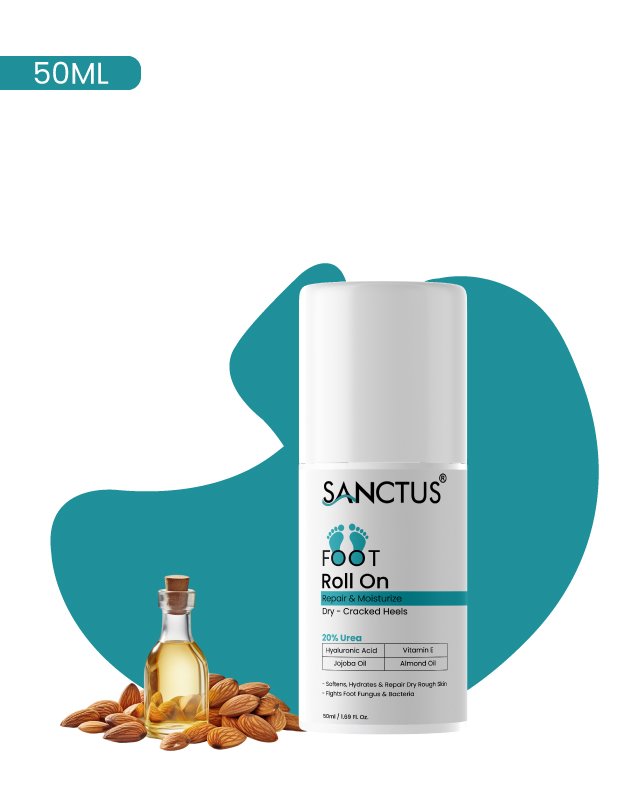
Cracked heels and dry feet are common concerns, often caused by dehydration, excessive friction, or environmental factors. The FOOT Roll-On Repair & Moisturize provides intense hydration and repair while ensuring easy, mess-free application.
The best cream for cracked heels is one that contains ingredients like urea, lactic acid, and strong moisturizers. It should help soften hard skin, repair cracks, and keep your feet hydrated.
How long does it take to heal cracked heels?
Mild cracks can improve within a few days, but deeper cracks may take 1 to 2 weeks with regular care. Consistent use of a cracked heel cream is important for faster results.
Can I use normal body lotion for cracked heels?
No, regular body lotions are not strong enough for heel skin. You should use a cream specially made for cracked heels for better results.
Should I apply cracked heel cream during the day or night?
Night is the best time to apply it because the cream gets more time to work. You can also use it during the day if your heels are very dry.
What is the fastest way to heal cracked heels?
The fastest way is to clean your feet, gently remove dead skin, apply a good cracked heel cream, and stay consistent every day. Wearing socks at night can also improve results.
Conclusion
Cracked heels are a common problem, but they should not be ignored. What may start as simple dryness can turn into painful cracks if not treated properly.
The good part is that healing is completely possible with the right approach. You do not need complicated routines. Just focus on three things—proper cleaning, regular moisturizing, and using the right product.
Choosing the best cream for cracked heels plays a big role in how fast you see results. A good cream not only hydrates but also helps repair the skin and prevent further damage.
Avoid quick fixes and harsh treatments. They may give temporary results but can harm your skin in the long run.
Instead, follow a simple routine and stay consistent. With time, your heels will become softer, smoother, and healthier.
If you want a reliable and easy solution, using a product like Sanctus Crack Heel Repair Cream can support your routine and help you get better results safely.












 100% Payment Protection, Easy
